
How to chose the right sleeping mat.
How to choose the right sleeping mat. Every type, R-value and pick, explained.
One of the most frequently asked questions we get at Land & Sea is simple: what's the best sleeping mat? It's a hard one to answer, because the right mat depends on a whole lot of variables, where you're sleeping, how cold it gets, how far you're carrying it and how much comfort you want.
So this guide breaks it down clearly: the three types of mat, what R-value actually means, the shapes on offer, and exactly which mat to grab for which kind of trip. Prices shown are current Land & Sea pricing.
The whole category, broken down. In under ten minutes.
Prefer to read? Everything in the video is written up below.
There's no single best mat. There's the best mat for your trip.
Our picks. Five mats, five jobs.
Five mats, reviewed. What each one is built for.
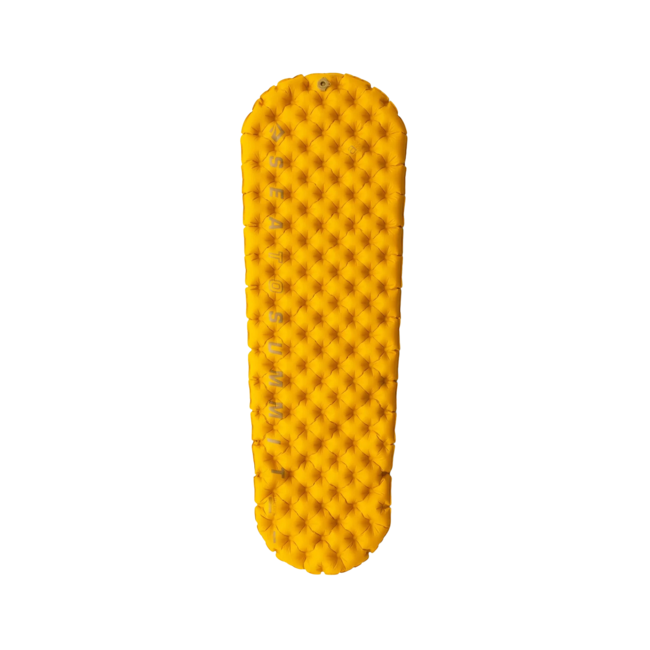
Sea to Summit Ultralight XR from $249
The do-everything air mat. 151 Air Sprung Cells give a stable, supportive 6.5 cm of cushion, an R-value of 3.6 covers most three-season nights, and it still packs down to about the size of a drink bottle at 415 g. The pick when low weight and small pack size matter but you still want a proper sleep.
| Type | Insulated air |
| R-value | 3.6 |
| Thickness | 6.5 cm |
| Weight (Reg) | 415 g |
| Packed (Reg) | 19 × 10 × 10 cm |
| Best for | Backpacking, thru-hiking, summer tramps |
Pros
- Very light and packs tiny, ideal when grams and space count.
- 151 Air Sprung Cells feel stable and supportive for an air mat.
- Wider profile suits side and restless sleepers.
Cons
- It's an air mat, so a sharp rock or stick can puncture it.
- R 3.6 is three-season, not a deep-winter number.
Our take - read more
This is our pick for a summer Great Walk like the Abel Tasman, where you want comfort without carrying any extra bulk.
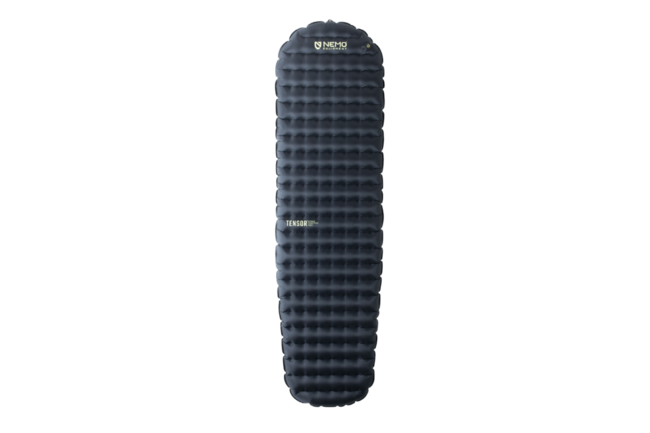
Nemo Tensor Extreme from $479
The warm one. Four Thermal Mirror films stack up to an 8.5 R-value, one of the highest we stock, on a plush 8.9 cm of loft that smooths out frozen, rocky ground. In Regular Mummy it's still only 554 g packed, so you get genuine winter warmth without the winter weight penalty.
| Type | Insulated air, mummy |
| R-value | 8.5 |
| Thickness | 8.9 cm (3.5 in) |
| Weight (Reg Mummy) | 554 g |
| Packed (Reg Mummy) | 25.5 × 11 cm |
| Best for | Alpine, winter, snow camping |
Pros
- Huge 8.5 R-value, seriously warm for cold and alpine nights.
- Thick 8.9 cm loft is very comfortable on hard ground.
- Mummy shape keeps it compact and light for the warmth.
Cons
- More warmth (and price) than most three-season trips need.
- Still an air mat, so mind sharp objects underneath.
Our take - read more
This is the mat we'd reach for on an alpine trek like the Tongariro Crossing or the Routeburn, where a warm, good night's sleep matters most.
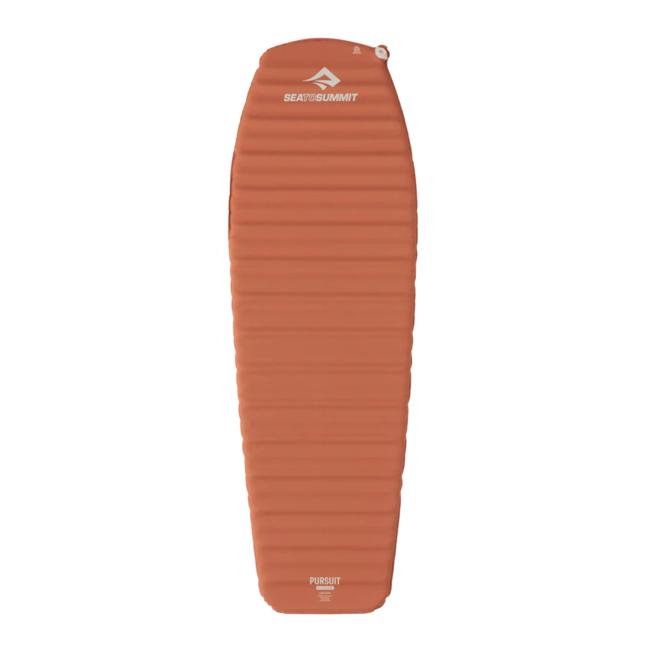
Sea to Summit Pursuit from $279
The easy-going self-inflater. Open the valve and 5 cm of Delta Core foam draws air in on its own, giving you a comfortable, R 3.0 platform with almost no effort. Heavier and bulkier than an air mat, but tougher and more relaxing, the sweet spot when pack space isn't tight.
| Type | Self-inflating foam |
| R-value | 3.0 |
| Thickness | 5 cm |
| Weight (Reg) | 605 g |
| Packed (Reg) | 29 × 14 × 14 cm |
| Best for | Trekking, paddle touring, easy nights |
Pros
- Self-inflates, just open the valve and let it do the work.
- Foam core is comfortable and forgiving on uneven ground.
- More puncture-tolerant than a pure air mat.
Cons
- Heavier and bulkier than an air mat, the foam adds weight.
- R 3.0 is summer to shoulder-season, not for the cold.
Our take - read more
The Pursuit (or its bigger brother below) is the call for trips where the canoe or the short walk does the heavy lifting.
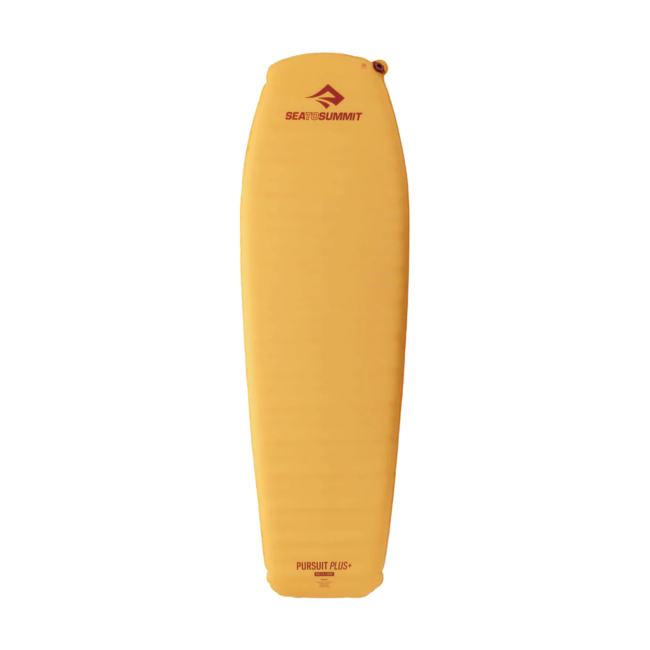
Sea to Summit Pursuit Plus from $329
The Pursuit's bigger brother. A plush 7.5 cm of Delta Core-V foam and a 4.2 R-value push it into proper three-to-four-season comfort, ideal for car-based, canoe and short-hike trips where you'd happily trade a bit of weight for a better night's sleep.
| Type | Self-inflating foam |
| R-value | 4.2 |
| Thickness | 7.5 cm |
| Weight (Reg) | 805 g |
| Packed (Reg) | 30 × 16 × 16 cm |
| Best for | Comfort camping, 3-4 season, paddle trips |
Pros
- Plush 7.5 cm of foam, the most comfortable mat here.
- R 4.2 stretches comfortably into shoulder season.
- Self-inflating and tough, great for base-camp nights.
Cons
- The heaviest and bulkiest mat in this guide at 805 g.
- Too much mat for fast-and-light missions.
Our take - read more
When weight really isn't the priority, step up to the Plus for that extra cushion.
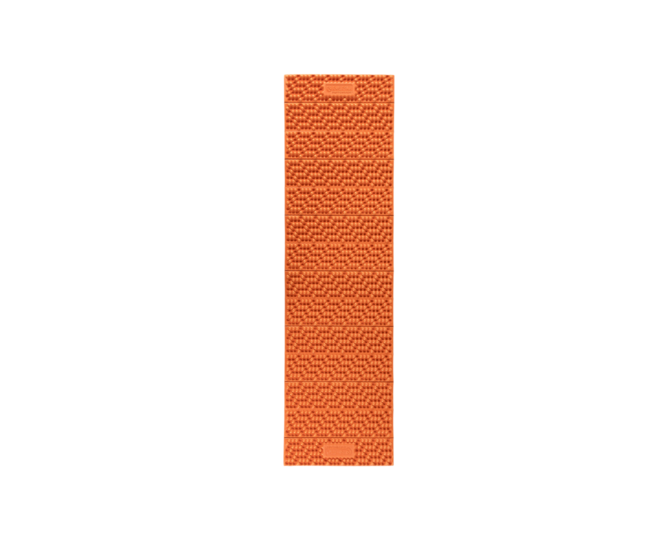
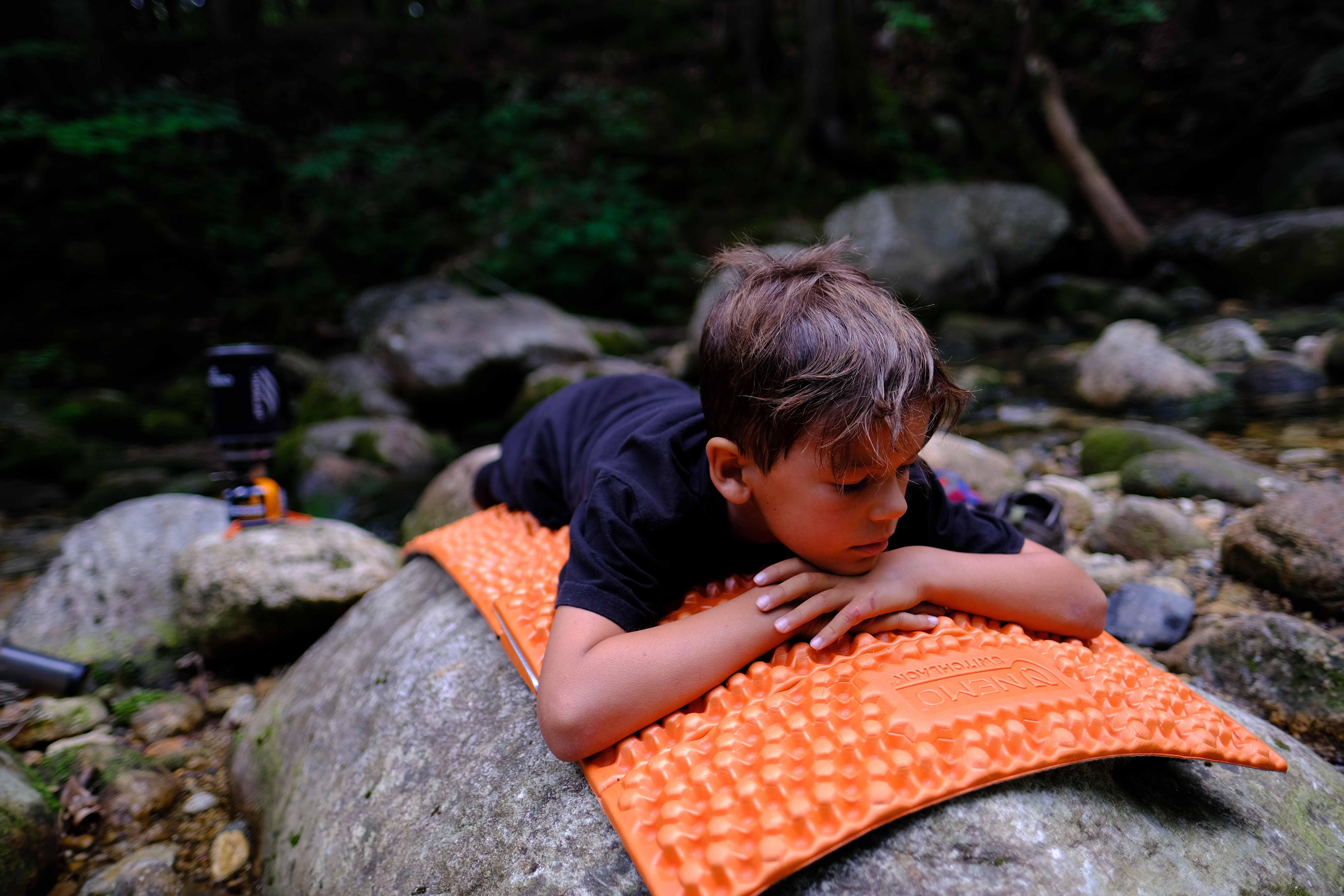
Nemo Switchback $149
A staff favourite. A rigid closed-cell foam pad that folds flat in seconds, can't puncture, and doubles as a seat by the fire. It's bulkier and firmer than the rest, with a modest R 2, but at 415 g and $149 it's the bombproof, fuss-free option for casual camping.
| Type | Closed-cell foam |
| R-value | 2 |
| Thickness | 2.3 cm (0.9 in) |
| Weight | 415 g |
| Packed | 51 × 13 × 14 cm |
| Best for | Casual camping, base camp, a seat |
Pros
- Indestructible, it can't puncture or go flat.
- Unfolds in seconds and doubles as a camp seat.
- The cheapest, most fuss-free option at $149.
Cons
- Bulky, it folds rather than compresses, so it rides outside the pack.
- Firmer and cooler (R 2) than an air or self-inflating mat.
Our take - read more
This is the one to grab for relaxed trips with mates, where bombproof beats plush.
Compare the range. Every spec that matters.
| Mat | Type | R-value | Thickness | Weight | Packed | Price |
|---|---|---|---|---|---|---|
| Sea to Summit Ultralight XR | Air | 3.6 | 6.5 cm | 415 g | 19 × 10 × 10 cm | from $249 |
| Nemo Tensor Extreme | Air (mummy) | 8.5 | 8.9 cm | 554 g | 25.5 × 11 cm | from $479 |
| Sea to Summit Pursuit | Self-inflating | 3.0 | 5 cm | 605 g | 29 × 14 × 14 cm | from $279 |
| Sea to Summit Pursuit Plus | Self-inflating | 4.2 | 7.5 cm | 805 g | 30 × 16 × 16 cm | from $329 |
| Nemo Switchback | Closed-cell foam | 2 | 2.3 cm | 415 g | 51 × 13 × 14 cm | $149 |
Specs shown for Regular sizes; weight, R-value and price can vary by size and shape. Prices current at Land & Sea and subject to change.
Attribute comparison
Each mat's profile across the six attributes.
The three things that decide it. Type, warmth and shape.
Air mats
Almost entirely air, with tiny internal pockets that inflate to give the mat its depth. Because it's mostly air, this type packs down the smallest (often to about the size of a drink bottle) and is the lightest of the lot, so it's the one we recommend for thru-hikers and backpackers where size and weight matter most. The catch: a rock or stick can puncture it, and then you're on the ground.
Self-inflating mats
A mix of foam and air. The mat is filled with foam that has little holes through it; open the valve and air flows in to self-inflate. The foam layer makes them more comfortable and they often carry a higher R-value, so they keep you warmer. The trade-off is that the foam makes them heavier and they don't pack down quite as small.
Closed-cell foam mats
A rigid sheet of lightweight foam that folds down concertina-style. It's the most bulky as far as pack size goes and can be the least plush, since it's just a layer of foam. But it's indestructible (nothing to puncture) and seriously versatile: it folds into a tidy shape that makes a comfortable seat around the campfire or at base camp.
R-value: how warm it keeps you
R-value is the thermal resistance of the mat, how well it resists heat loss through the ground. Higher R-value, warmer mat; lower R-value, colder mat. Use the quick cheat sheet below to match a mat to the season.
Shape: mummy, regular, wide or long
Shape is easy to overlook but it changes weight and comfort. Mummy cuts out material so it's more compact and lighter, worth it if weight is a big factor. Regular is the standard rectangle most people go for. Wide gives restless sleepers more room to roll. And long or extra-long suits taller people, or anyone who likes the mat to reach further toward their feet.
Which mat for which trip. Our go-to choices.
Abel Tasman in summer ? Ultralight XR
Plenty of thickness for comfort and an R-value just over three for the odd cold night, but light and compact because it's a mummy-friendly air mat. The classic summer Great Walk choice.
Tongariro, Routeburn or any alpine trek ? Tensor Extreme
One of the highest R-values we stock at 8.5, thick and super warm for genuinely cold nights, yet a mummy air mat that still packs down small for the climb.
Whanganui Journey or a night on Great Barrier ? Pursuit / Pursuit Plus
When the canoe does the heavy lifting or it's just a night or two close to the car, weight matters less, so trade a little bulk for the easy comfort of self-inflating foam.
Camping with mates / base camp ? Switchback
A team favourite for relaxed trips. Less comfort needed, nothing to puncture, and it folds into a tidy pedestal to sit on around the campfire.
FAQ. What people ask us in store.
What's the best sleeping mat?
What does R-value actually mean?
Air, self-inflating or closed-cell foam, what's the difference?
What R-value do I need in New Zealand?
What shape should I get, mummy, regular, wide or long?
Can a foam mat be warm enough?