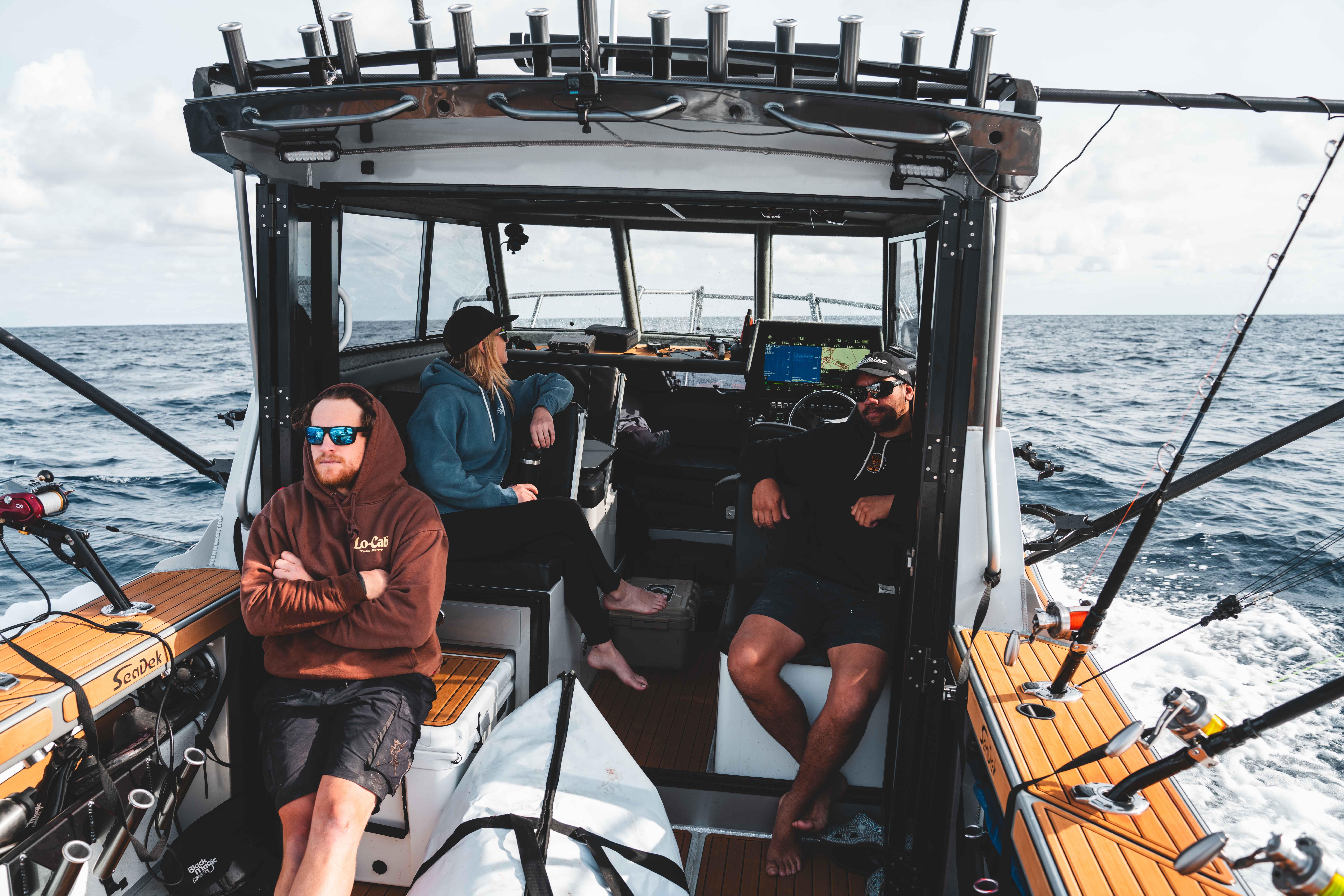

Breaking down the Daiwa LEOBRITZ electric reels
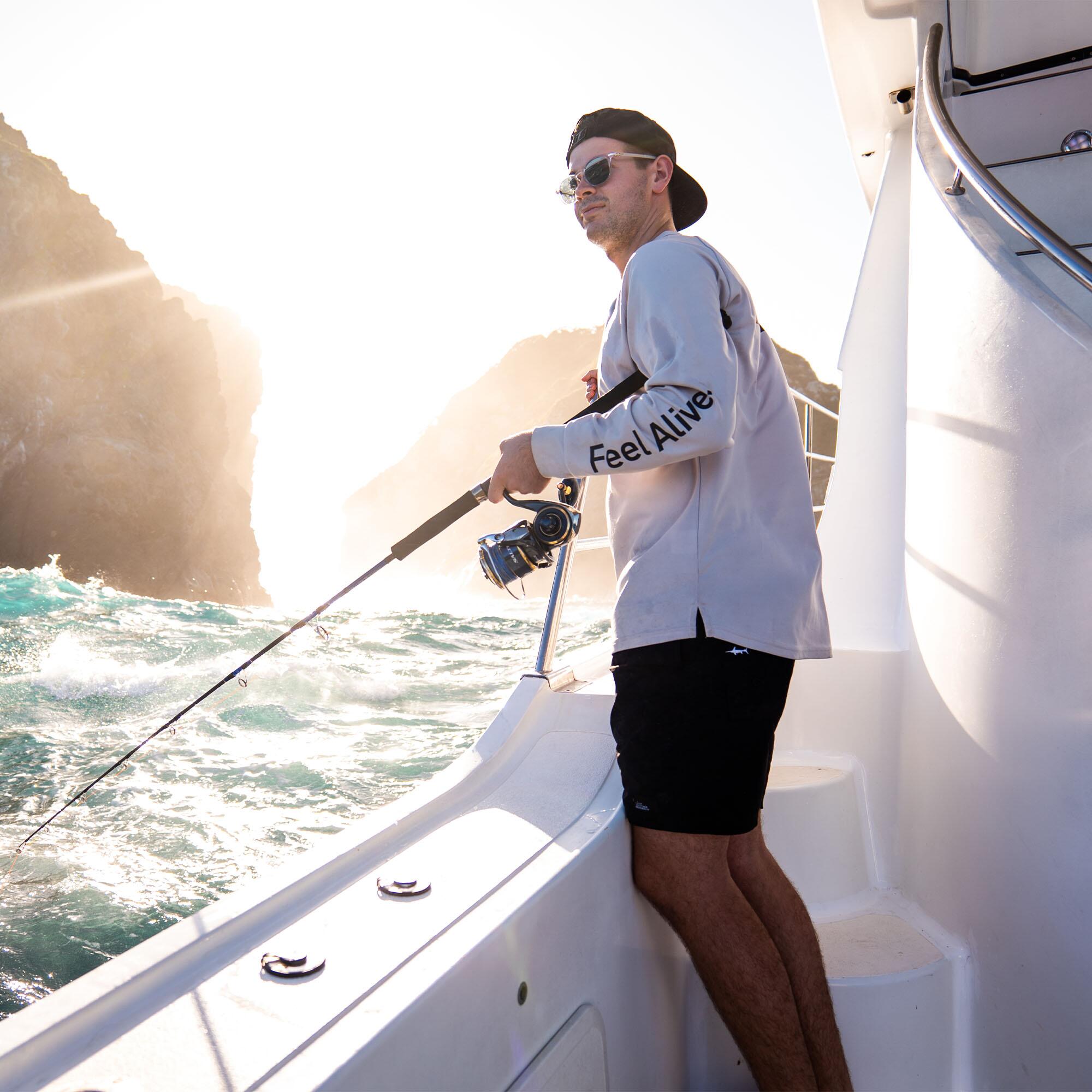
Daiwa Leobritz electric reels. Which one is right for you?
From snapper on the close reefs to hapuka out wide, a compact electric reel changes what's possible on the water - especially for kids, older anglers, or anyone whose wrists, shoulders or elbows can't crank a conventional reel all day. Daiwa's Leobritz is the small, hold-in-hand way in. We sat down with Justin from Daiwa NZ to go over the two models we stock - the lighter 300J and the bigger-spooled S500JP - and break down who each one suits and how to pick between them.
The full rundown. With Justin from Daiwa NZ.
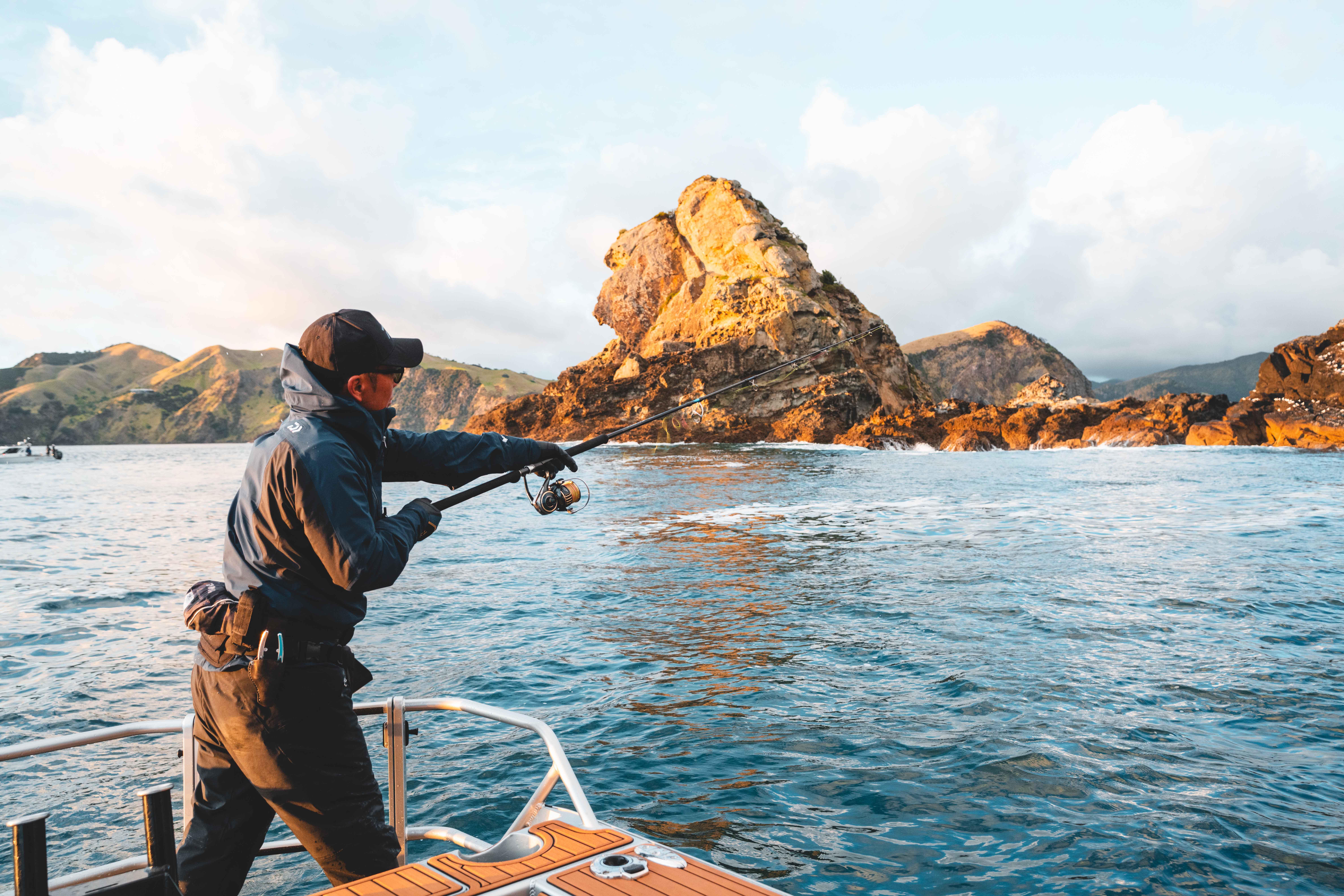
We sat Justin from Daiwa NZ down in store to go over the electric reel most people overlook - what the 300J and S500JP are built for, the fish and depths they handle, and who they suit. Here's the conversation.
The detail. Two reels, head to head.
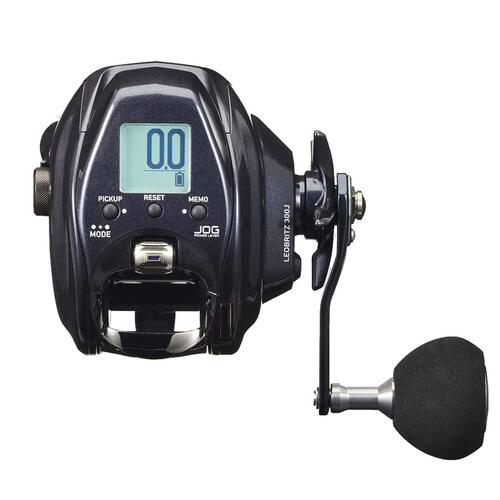
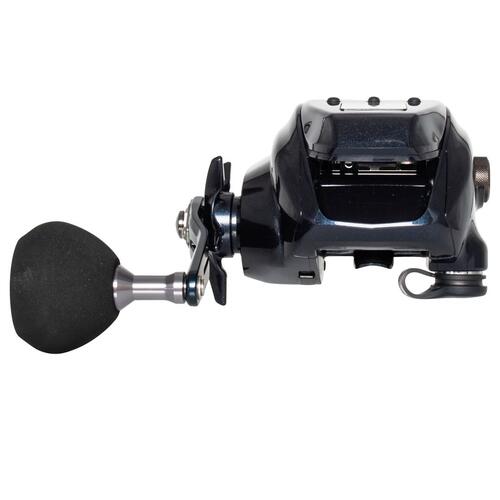
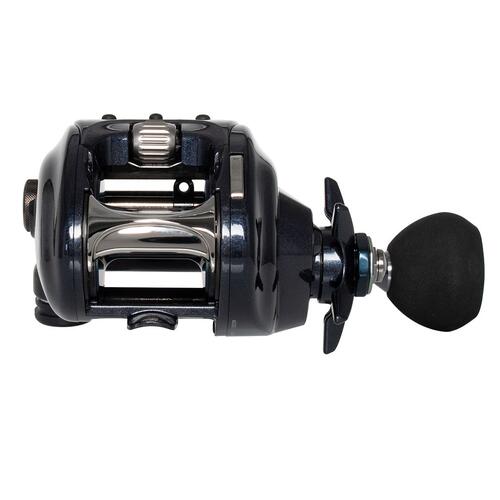
Daiwa Leobritz 300J · $1,049.00
The everyday electric. At just 504g it's light enough to hold and fish all day - standing or seated - yet the BRITZ brushed motor still winds with surprising authority. With PE3/400m on the spool and a quick 190m/min retrieve, it's ideal for snapper, tarakihi, gurnard and blue cod out to mid-depths, and it's the one we hand most first-time electric anglers.
| Max drag | 16kg |
| Gear / retrieve | 5.1:1 · 190m/min |
| Line capacity | PE3 / 400m · PE4 / 300m |
| Weight | 504g |
| Bearings | 12+2BB |
| Retrieve | Right hand |
Pros
- Light 504g body - comfortable to hold and fish for a full session.
- Fast 190m/min retrieve and 5.1:1 gearing for quick drops and jig work.
- Programmable jigging plus a line counter make depth control easy.
- One-thumb control - the free-spool lever and throttle sit under one hand.
Cons
- Smaller spool than the 500 limits very deep, big-fish missions.
- Less raw winding grunt when a solid hapuka digs into the reef.
Our take - read more
The 300J is the reel we point people to when they're electric-curious but don't want to lug a big unit around. You can prospect a mark fast - drop a bait, see if anyone's home, and move on without wearing yourself out. It's also the model that's opened up deep-water fishing for kids, older anglers and anyone who struggles with a conventional overhead.
For such a small reel it covers a lot of water: it's at home on snapper around 60 m and tarakihi around 90 m, and has the legs for small hapuka deeper again. The real surprise is the speed and grunt - it retrieves at 190 m/min (just over 3 m a second) and winds with far more power than a reel this size suggests.
Pair it with a Daiwa overhead jigging rod and a 12V deep-cycle battery and you're set.
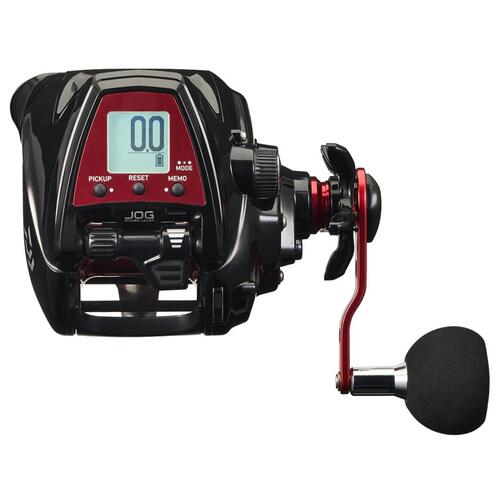
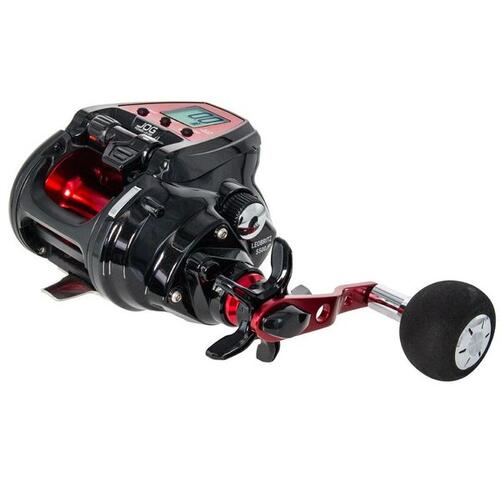
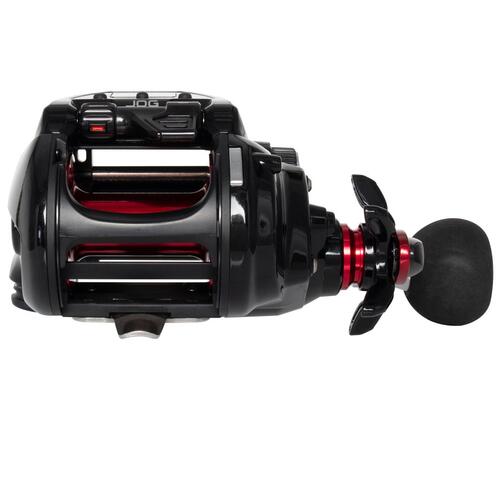
Daiwa Leobritz S500JP · $1,049.00
Same compact format, more reach. The S500JP carries PE4/500m and winds with more torque than the 300J, so it pulls bass, bluenose and bigger hapuka off deeper reefs and seamounts. You trade roughly 300g and a little retrieve speed for the extra depth and grunt - a fair deal if you regularly fish wide.
| Max drag | 16kg |
| Gear / retrieve | 3.58:1 · 170m/min |
| Line capacity | PE4 / 500m · PE5 / 400m |
| Weight | 800g |
| Bearings | 8+2BB |
| Retrieve | Right hand |
Pros
- Bigger spool (PE4/500m) reaches deeper reefs and offshore seamounts.
- More winding power and torque for bass, bluenose and bigger hapuka.
- Same hold-in-hand format and 16kg drag in a deeper-capable reel.
Cons
- Heavier at 800g - more reel to hold across a long day.
- Slower 170m/min retrieve than the lighter 300J.
- Sits at full RRP with no current discount.
Our take - read more
If your fishing is creeping deeper - 200m-plus, out on the offshore reefs where the better bass and bluenose live - the extra capacity on the S500JP earns its keep. The lower gear ratio means more torque per turn, so the motor isn't straining as hard when a good fish loads it up.
Justin from Daiwa NZ told us about a colleague who wrangled a solid hapuka up from almost 400 m on a Leobritz 500 - with only about 5 m of PE5 left on the spool. That's right at the limit of what it's built for, but it shows the headroom a "small" electric reel really has.
It's still small enough to hold, but most people fish the 500 from a rod holder on a bent-butt rod once they're working real depth.
300J vs S500JP. The numbers that matter.
| Spec | Leobritz 300J | Leobritz S500JP |
|---|---|---|
| Price (NZD) | $1,049.00 | $1,049.00 |
| Weight | 504g | 800g |
| Max drag | 16kg | 16kg |
| Gear ratio | 5.1:1 | 3.58:1 |
| Retrieve speed | 190m/min | 170m/min |
| Line capacity | PE3/400m, PE4/300m | PE4/500m, PE5/400m |
| Bearings | 12+2BB | 8+2BB |
| Best for | Inshore & mid-depth, all-day handheld | Deeper reefs, bigger fish |
Attribute comparison
Tap a reel to show or hide it on the chart.
How to choose. Five things that actually matter.
Match the reel to your depth and species
Be honest about where you actually fish. The lighter 300J comfortably covers snapper around 60 m, tarakihi around 90 m and even small hapuka down around 150-180 m - so for most inshore and mid-depth reef fishing it's plenty. Regularly heading wide to deeper reefs and seamounts for bass, bluenose and bigger hapuka? The S500JP's bigger spool and extra torque are worth it.
Line capacity is your depth budget
You want comfortably more line than the depth you fish, to allow for drift, current and scope. PE3/400m on the 300J handles most inshore and mid-depth work; step up to the S500JP's PE4/500m when you're consistently fishing past 200m.
Sort your battery
Electric reels run on 12V. A deep-cycle battery is the right tool - it's built for repeated full discharges (around 2,000 cycles versus roughly 200 for a start battery). More amp-hours means more run time, but more weight, so match it to how long you fish.
Match it to the right rod
There's no single "electric rod". For light reef species a 6 kg / ~7 ft boat rod is plenty; to fish deeper, move up to a quality PE3-5 jig rod, with everything in between. The aim is balance - a combo that sits comfortably in one hand. Tell us what you're chasing in store and we'll pair the right rod to your reel.
Think about who's using it
Because everything works under one thumb - the free-spool lever and the throttle - a Leobritz lets anglers with arthritis, wrist, shoulder or elbow injuries, amputees, older anglers and kids keep fishing. If cranking a conventional reel has become the barrier between you and the water, this is the category to look at.
FAQ. What anglers ask us in store.
What can I catch with a Leobritz?
What depth can you fish a Daiwa Leobritz?
Are small electric reels powerful enough for real fish?
300J or S500JP - which should I buy?
What battery do I need?
Are electric reels hard to set up or use?
Are they good for kids, older anglers or anglers with disabilities?
How much does a Leobritz electric reel setup cost?
What if I find a better price elsewhere?